
مقالات
Why Iranian and Islamic Architecture Is the Best Choice for Modern Projects

Introduction
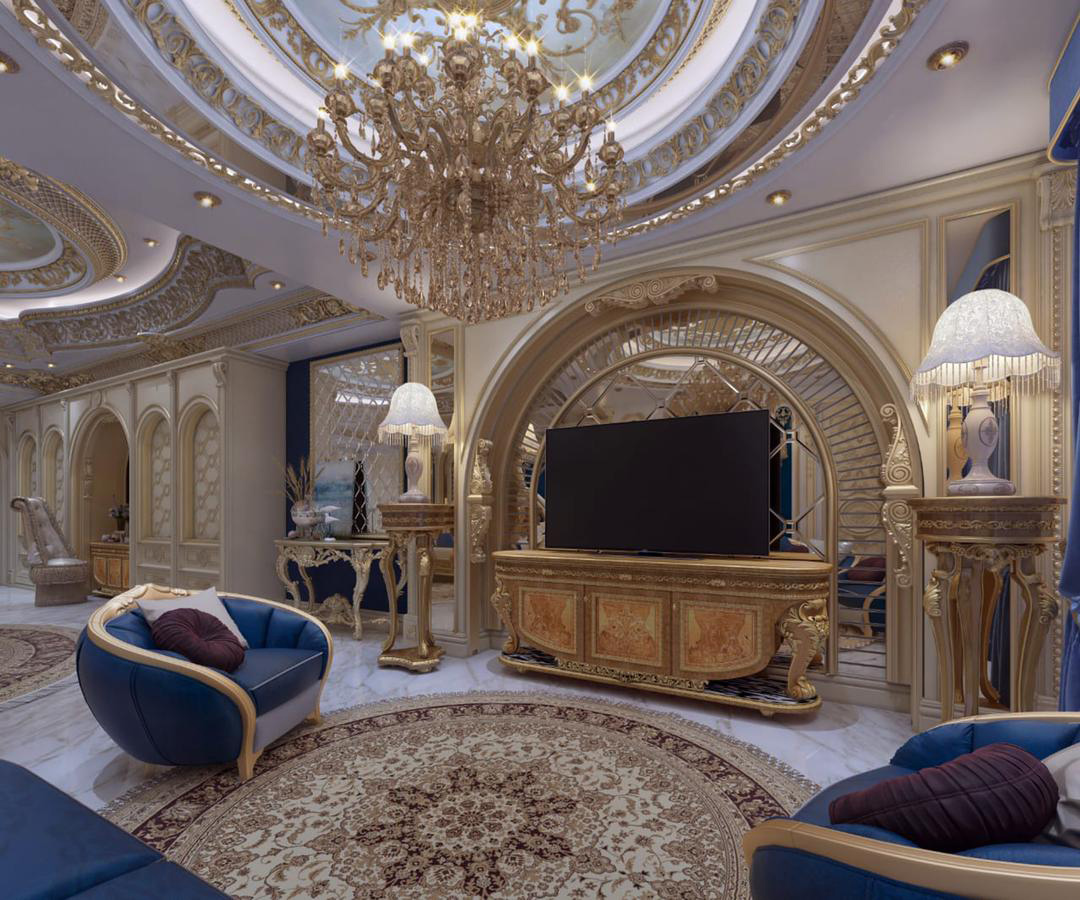
In recent years, many architects, developers, and property owners have begun to look beyond purely minimal or industrial styles and rediscover the value of traditional design principles. One of the most notable trends in this movement is the growing interest in Iranian architecture and Islamic architecture within modern projects. From residential complexes and luxury villas to cultural and religious buildings, these architectural traditions are being reinterpreted in contemporary forms. This article explores why Iranian and Islamic architecture have become such a strong and meaningful choice for modern construction projects.
The timeless strength of Iranian architecture
Iranian architecture is rooted in centuries of knowledge, climate awareness, and artistic balance. Unlike short-lived design trends, it is based on proportions, harmony, and a deep understanding of space. These principles make it highly adaptable to modern needs while preserving cultural identity. When applied thoughtfully, Iranian architecture brings warmth, character, and authenticity to contemporary projects, something many modern designs lack today.
Islamic architecture as a source of meaning and identity
Islamic architecture is not only about visual beauty; it is deeply connected to philosophy, spirituality, and order. Elements such as symmetry, rhythm, light, and ornamentation are used to create calm and meaningful spaces. In modern projects, these qualities help balance technology-driven design with human-centered environments. This is why architects increasingly integrate Islamic architectural concepts into mosques, cultural centers, hotels, and even private residences.
Why modern projects benefit from traditional architectural principles
Modern construction often focuses on speed and efficiency, sometimes at the expense of identity. By integrating Iranian architecture and Islamic architecture, projects gain a sense of depth and continuity. Traditional design principles offer solutions that are both aesthetic and functional, such as intelligent spatial organization, natural lighting strategies, and decorative elements that enhance rather than overwhelm the structure.
The role of craftsmanship in contemporary architecture
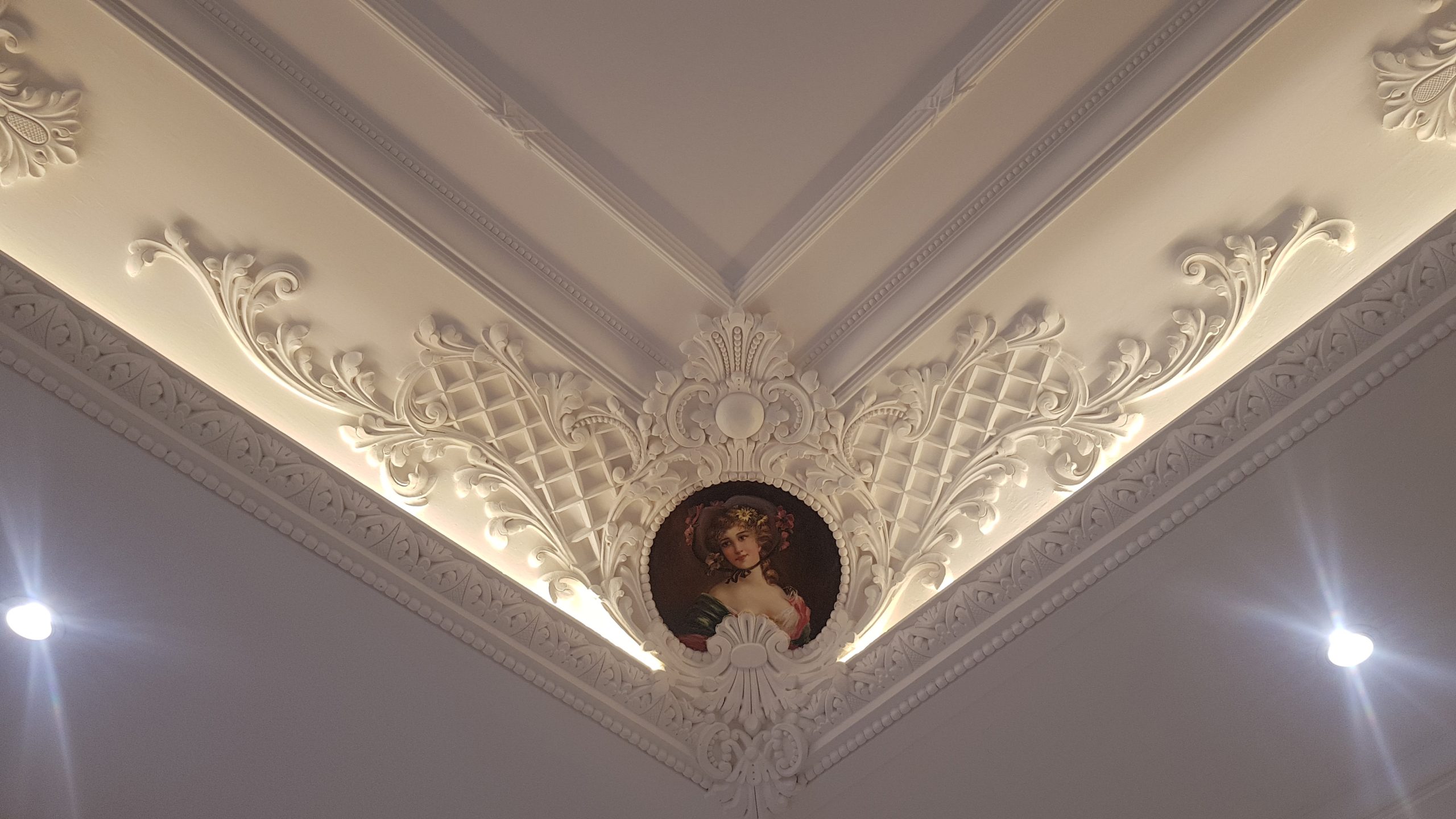
One of the key reasons Iranian and Islamic architecture remain relevant today is their emphasis on craftsmanship. Techniques such as decorative plasterwork, ornamental detailing, and hand-finished surfaces add uniqueness to each project. In modern architecture, where many buildings look similar, handcrafted elements create distinction and long-term value.
Plasterwork as a bridge between tradition and modernity
Plasterwork has always been a central feature of Iranian and Islamic architecture. Today, it acts as a bridge between traditional aesthetics and modern design. When used with restraint and precision, plasterwork complements contemporary interiors while maintaining cultural authenticity. This balance is especially important in large-scale or high-end projects where design coherence is critical.
Modern interpretation of Iranian–Islamic design
The success of Iranian and Islamic architecture in modern projects lies in reinterpretation, not imitation. Instead of copying historical buildings, designers adapt traditional motifs, proportions, and materials to suit modern lifestyles. This approach allows projects to feel both contemporary and rooted in heritage, appealing to a wide range of users and clients.
Experience and expertise in architectural execution
Executing Iranian and Islamic architectural elements correctly requires experience and deep technical knowledge. Poor execution can reduce even the best designs to superficial decoration. This is why professional teams with a strong background in traditional architecture play a crucial role in achieving high-quality results. Experience ensures accuracy, durability, and visual harmony throughout the project.
Introducing Master Akbar Motifi Fard
Among professionals active in this field, Master Akbar Motifi Fard is widely recognized for his extensive experience in traditional plasterwork and architectural execution. With decades of hands-on practice and a professional team, he has contributed to numerous projects that successfully combine Iranian and Islamic architectural elements with modern design requirements. His approach focuses on originality, precision, and long-term quality rather than short-term trends.
Custom design as a key advantage
One of the defining strengths of successful modern projects is custom design. Instead of relying on repetitive patterns, experienced masters develop unique designs tailored to each space. This method ensures that plasterwork and decorative elements align perfectly with the project’s architectural concept, scale, and function. Custom design also allows for better integration with lighting, materials, and spatial flow.
Why developers and architects choose Iranian–Islamic architecture today
Developers increasingly recognize that buildings with a clear architectural identity perform better over time. Iranian and Islamic architecture add cultural value, visual richness, and emotional connection to spaces. These qualities not only enhance user experience but also increase the perceived value of the property, making it a strategic choice for long-term investment.
Balancing tradition with contemporary needs
One of the greatest strengths of Iranian and Islamic architecture is flexibility. These styles can be adapted to modern building codes, technologies, and lifestyles without losing their essence. From minimalist interpretations to richly detailed interiors, they offer a wide range of possibilities for architects and designers.
The importance of professional consultation
Before implementing Iranian and Islamic architectural elements, professional consultation is essential. Expert guidance helps clients choose appropriate designs, estimate costs accurately, and avoid common execution mistakes. Professional teams provide solutions that respect both tradition and modern construction standards.
A reliable reference for traditional architectural projects
For those seeking professional execution and expert consultation in Iranian and Islamic architectural elements, visiting specialized platforms and professional portfolios is an important step. A reliable reference can help clients better understand design possibilities, execution quality, and previous project experience.
Conclusion
Iranian and Islamic architecture are not relics of the past; they are living traditions that continue to inspire modern design. Their ability to combine beauty, meaning, and functionality makes them an excellent choice for contemporary projects. When executed by experienced professionals, these architectural styles add lasting value, identity, and distinction to modern buildings.